


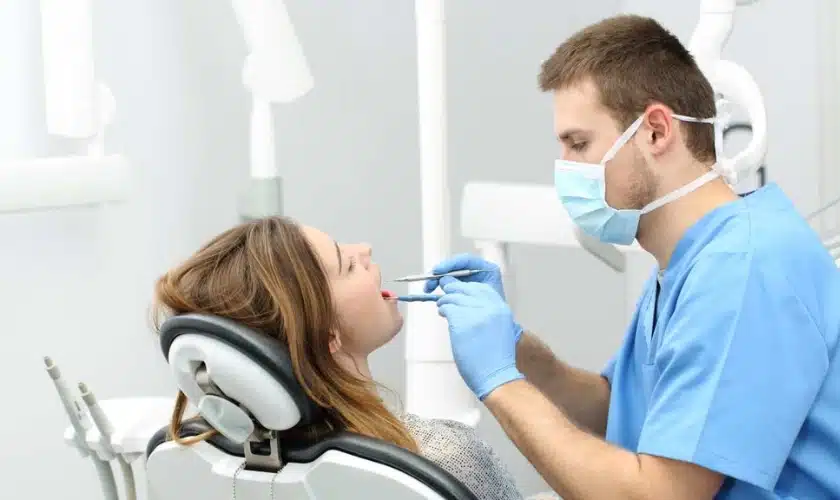
Oral health refers to the overall well-being of the mouth, including teeth, gums, tongue, and other supporting structures. Proper oral health goes beyond keeping teeth clean, as it also involves fostering healthy habits. Beyond daily hygiene, regular visits to a dentist help you prevent potential issues before they arise or become severe. By incorporating professional care into your oral hygiene routine, you build a strong foundation for lasting dental health. Here are some tips for finding the right dentist for your needs:
1. Check Their Services
When selecting a dental provider, it helps to verify that a practice offers a comprehensive range of treatments. A provider who can address various needs within a single location offers you continuity of care and convenience. Reviewing the specific services available helps you verify that the practice can support your long-term dental goals.
General Dentistry
General dentistry serves as the primary defense against oral disease. This area of practice focuses on preventative care, diagnosis, and the treatment of a wide variety of conditions affecting the teeth and gums. General services include:
- Routine Examinations
- Professional Cleanings
- Diagnostic Imaging
These procedures allow the dentist to monitor your oral health over time and detect anomalies early.
Restorative and Cosmetic Dentistry
Your teeth can get damaged from decay, trauma, or wear over time. Restorative dentistry involves diagnosing and managing diseases of the teeth and their supporting structures. They aim to restore the tooth to its proper function and integrity. Some common procedures include fillings, crowns, and bridges. Cosmetic dentistry focuses on improving the appearance of the teeth and gums with procedures such as teeth whitening or veneers. A versatile dentist understands the functional and aesthetic aspects of your smile, and they can create treatment plans that restore oral function while enhancing visual appeal.
Emergency Dentistry
Dental emergencies often require immediate attention to alleviate pain or save a tooth. It is invaluable to know if your chosen dentist offers urgent care services for situations like knocked-out teeth, severe toothaches, or broken restorations. Access to emergency dentistry helps you receive prompt treatment when injuries arise.
2. Inquire About Accepted Ages
Different dental practices cater to different demographics, so it is beneficial to verify the age groups they treat. Some offices are strictly pediatric, specializing in the unique developmental needs of children and adolescents, while others may focus primarily on adult or geriatric care. A family dentistry practice often treats patients of all ages, which may be convenient for households with children and adults.
3. Confirm Emergency Hours
Beyond offering emergency services, the availability of those services is a key factor in choosing a dentist. Dental trauma does not always happen during standard business hours, so understanding a practice’s policy on after-hours care can help you be prepared during a dental emergency. Inquire if the practice has an on-call dentist or a specific protocol for weekends and evenings.
Access to reliable emergency dental care offers several distinct advantages, such as:
- Rapid Pain Relief: Immediate treatment can alleviate discomfort caused by infections or trauma.
- Tooth Preservation: Quick action is often required to successfully re-implant a knocked-out tooth.
- Reduced Infection Risk: Prompt attention to abscesses or deep decay prevents bacterial spread to other parts of the body.
- Peace of Mind: Knowing you have a plan in place reduces stress during unexpected dental incidents.
Contact a Dentist Near You
Selecting a dentist involves more than just finding the closest office to your home. By evaluating their range of services, confirming they treat patients of your age group, and understanding their emergency protocols, you can make an informed decision. If you are currently looking for a new provider, research local practices today to schedule an initial consultation.