


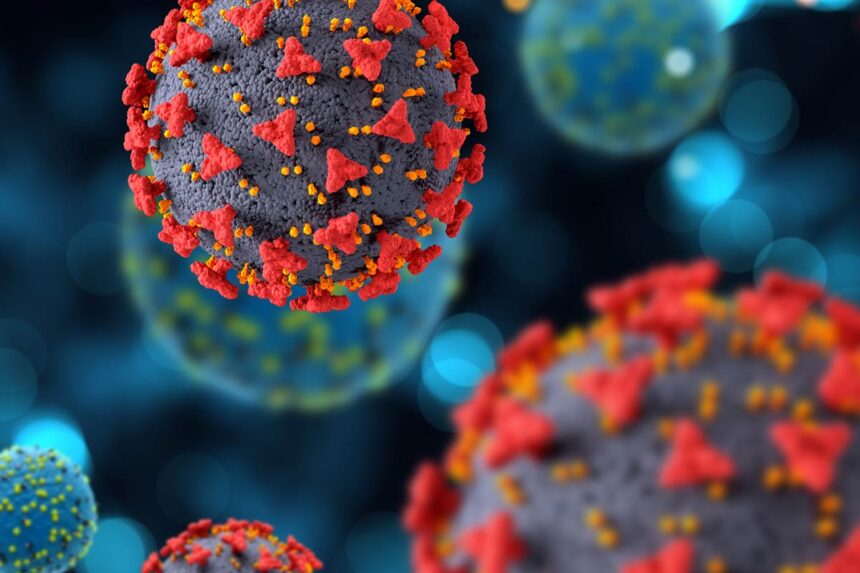
The evolution of covid variants continues to shape how public health systems plan, respond, and communicate during outbreaks. Health authorities often adjust guidance to reduce risk while maintaining key services because variants can differ in how easily they spread and how severe illness may be. Here is an overview of how covid variants influence public health decisions:
Tracking Variants
The foundation of the entire public health response is surveillance. Scientists use genomic sequencing to analyze the genetic makeup of virus samples collected from positive covid test results. This allows them to identify which version of the virus is circulating in a specific community. If they notice a pattern where one specific type is taking over, they identify it as a variant of concern.
This tracking data serves as a compass for public health officials; without knowing which variant is dominant, it is impossible to determine whether current treatments will work or whether hospitals need to prepare for a surge. When data shows a highly contagious variant rising, officials know they need to emphasize preventive measures such as masking and social distancing.
Updating Vaccines and Boosters
One of the direct ways variants impact strategy is through vaccination programs. The original vaccines were designed to fight the initial strain of covid. While they still offer protection against severe illness, their ability to prevent infection can decrease as the virus evolves.
Pharmaceutical companies and health agencies work together to predict which strains will be most common in the coming months. They analyze global data and select the specific spike proteins, the part of the virus the immune system targets, that match circulating variants. This makes sure that the vaccines provide the strongest possible defense.
Adjusting Layered Protection
When a new, aggressive variant arrives, relying on one safety measure is rarely enough. Here are some of the specific layers that are often changed based on how the current variant behaves:
- Masking recommendations: When a highly transmissible variant spreads, officials often recommend high-quality masks rather than cloth masks.
- Ventilation improvements: Strategies often pivot to emphasize air filtration and opening windows when indoor transmission rates climb due to a new variant.
- Distancing guidelines: If a variant spreads easily through the air, the physical distance required to stay safe may increase, or capacity limits for indoor gatherings may return.
- Testing frequency: During a surge of a new variant, the recommendation shifts to testing before visiting vulnerable family members, even if you feel fine.
These strategies slow the spread, buying time for more people to get vaccinated and for hospitals to manage patient load.
Planning, Testing, and Surges
When a covid variant causes more severe disease, hospitals must activate surge plans. This involves securing more oxygen supplies and making sure there are enough staff members to care for patients.
- Treatment efficacy: Doctors must constantly update their treatment protocols based on which variant is infecting their patients.
- Diagnostic accuracy: Labs must verify that their PCR and antigen tests continue to accurately identify the new strain.
- Staffing challenges: Hospitals must plan for staff shortages while simultaneously dealing with more patients.
- Telemedicine expansion: To keep contagious patients out of waiting rooms, practices utilize telemedicine to evaluate symptoms safely.
If a treatment stops working because the virus has changed, doctors need to know immediately so they can switch to an alternative therapy.
Get Tested for Covid Today
Covid is always shifting, but the tools we have to fight it remain effective when used correctly. Understanding that public health advice changes because the virus changes can help make sense of the guidelines. If you are feeling unwell or have been exposed to someone with the virus, contact a trusted healthcare provider near you to book an evaluation or a test today.