


All children develop and grow at their own pace. Some children begin talking early, while others take more time. Some make the transition easily; others might struggle. These variations are part of the normal process of development.
But occasionally parents notice that communication, social interaction, or behavior continues to cause problems that appear to interfere with everyday functioning. Early identification of these signs can help families consider the support that can help their child learn important life skills. One evidence-based treatment that centers on meaningful skills and individual learning strategies is called ABA therapy.
Difficulty Communicating Needs
Parents will often first notice trouble with communication.
It can be difficult for a child to:
- Communicating needs with verbal and/or non-verbal language
- Following simple instructions
- Following simple verbal instructions
- Starting and sustaining conversations
- Understanding everyday language
It can sometimes be difficult for children and caregivers to communicate with each other, making everyday life a bit more complicated. ABA therapists work with each child to build communication skills in a way that is appropriate to each child’s learning style.
Limited Social Interaction
Children learn numerous skills from others quite naturally.
If your child is having difficulty:
- Making eye contact
- Moving together with the other children
- Sharing toys
- Taking turns
- Responding to social cues
they may benefit from additional support in developing social skills.
ABA therapy in Greenville, SC, provides for structured and encouraging opportunities to practice these interactions.
Challenges with Daily Routines
For some children, simple daily activities can be overwhelming.
Challenges with:
- Getting dressed
- Brushing teeth
- Using the bathroom independently
- Washing hands
- Following bedtime routines
- Completing everyday tasks
Children will become more confident and independent over time with the learning of these practical skills in life.
Frequent Difficulty Adjusting to Change
Many children like to have their routines.
But for others, the changes in daily routine are very upsetting, even minor.
Sudden changes in activity, usual surroundings, or experiences can result in a great deal of frustration or anxiety.
ABA therapists frequently provide teaching of coping skills to help children become more comfortable with transition and gradually increase flexibility in daily routines.
Repetitive Behaviors
Some children display repetitive behaviors such as
- Saying words or phrases over and over.
- Lining up toys
- Repetitive motion
- Having an intense focus on things or ideas
All of these behaviors are different among the children.
An ABA assessment will be used to determine if these behaviors are interfering with learning or daily activities and to determine appropriate teaching strategies if there are.
Difficulty Following Directions
It is common for young children to sometimes forget to do something.
But continuing problems with instructions and directions can impact learning at home and at school.
A child may experience some difficulties with:
- Completing one-step instructions
- Stays on task while doing activities
- Changing from one activity to another
- Engaging in purposeful learning opportunities
These basic learning skills are taught in ABA programs using systematic practice and positive reinforcement.
Challenging Behaviors That Affect Daily Life
Children have a variety of ways of communicating.
Children may engage in behaviors like tantrums, aggression, self-injury, and property damage when they are unable to express their needs in an effective way.
Instead of targeting only the reduction of behaviors, an ABA therapist first identifies the function of the behavior.
With understanding, children learn more appropriate means of communicating, seeking help, or dealing with frustration.
Delays in Play Skills
Play is a key aspect of children’s development.
Some children may like to play on their own at all times, or they may not understand how to play cooperatively.
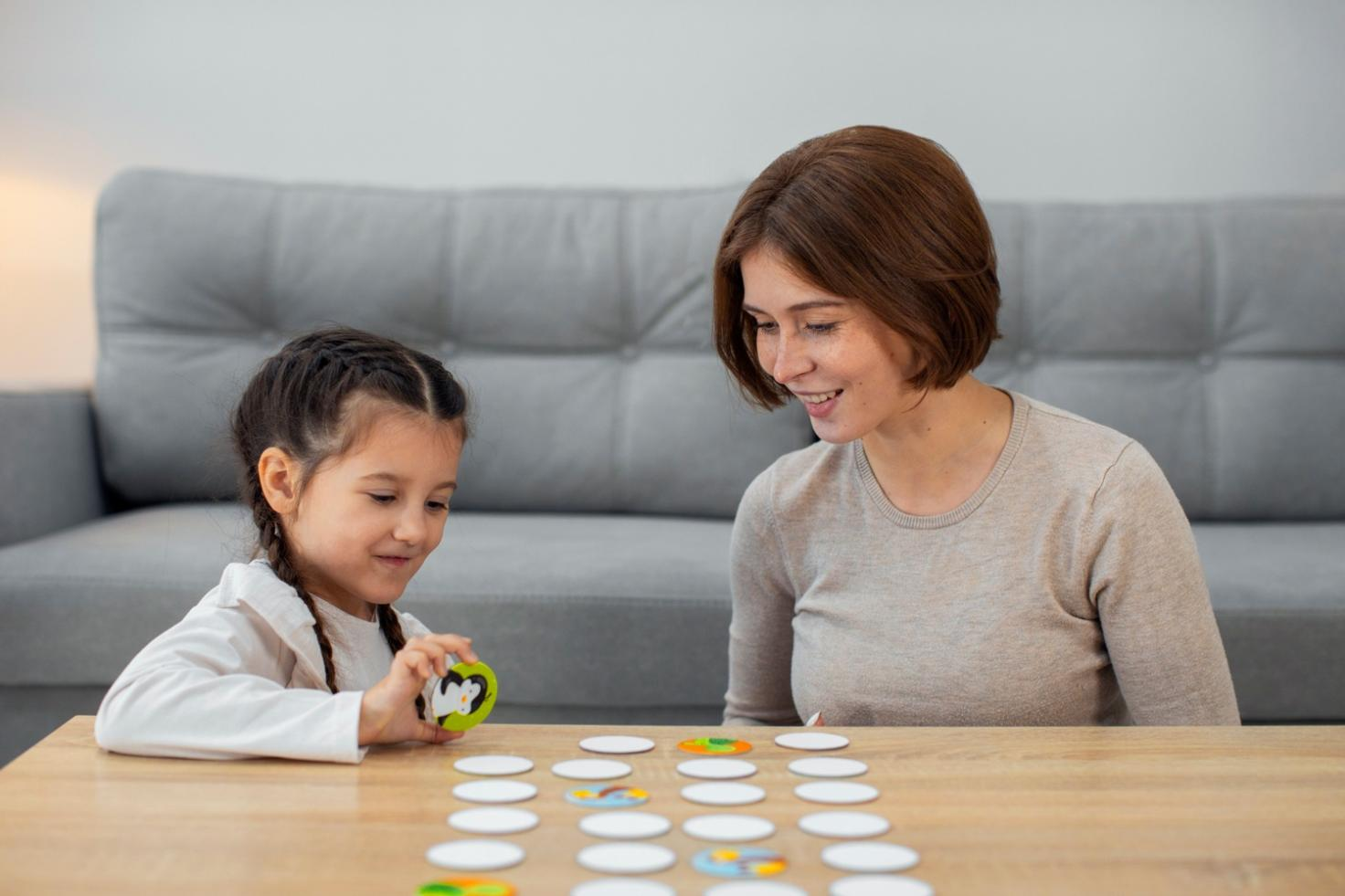
Play based learning is frequently used in ABA therapy to help the child learn:
- Functional play
- Pretend play
- Cooperative play
- Problem-solving
- Turn-taking
These experiences help in learning and keep therapy fun and interesting.
Difficulty Developing Independence
Children learn to be more independent as they get older.
If your child still needs a lot of help with age-appropriate tasks, further support may be needed to build your child’s confidence.
There are times when the therapist will work on the concept of independence as a series of small steps, which, when accomplished will be rewarding
Every Child is Different
Not all children who go through one or more of these symptoms will need ABA therapy.
Every child develops at his or her own pace, and some may achieve the various milestones at different times.
If any concerns persist over time or start to impact your child’s life, discussing it with your child’s healthcare provider or with a qualified professional can help you see if your child needs additional assessment.
For some families, in home ABA therapy in Greenville may also be an option, allowing children to learn and practice new skills in familiar everyday surroundings.
Early Support Can Make a Difference
Early identification in the life of the child provides more opportunity to develop communicative, social, learning, and independence skills in crucial developmental years.
ABA therapy is tailored to the individual needs of each child, so it targets the strengths of each child and reinforces learning that could be beneficial.
Final thoughts
Identifying developmental problems is not comparing children to others. It is about understanding your child’s unique needs and providing the right support at the right time. With individualized guidance, family involvement, and consistent encouragement, many children continue building meaningful skills that help them participate more confidently at home, at school, and in their community.