


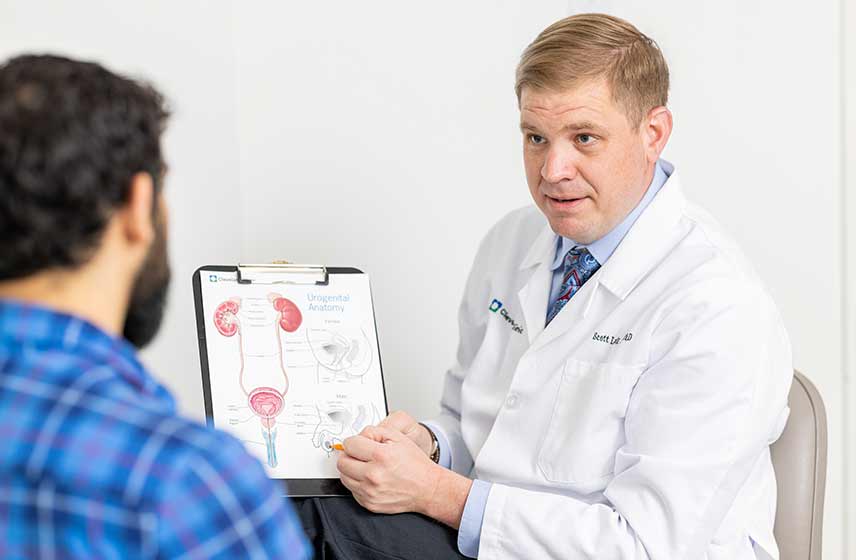
Low testosterone can affect energy levels, mood, muscle strength, and overall well-being, making accurate diagnosis and individualized care fundamental. A low testosterone specialist takes a personalized approach to treatment by carefully evaluating symptoms before recommending targeted therapies. Here’s a closer look at how testosterone specialists customize treatment plans:
Why Does Personalization Matter?
Hormones are chemical messengers that control major bodily functions, from muscle growth to emotional regulation. Everyone’s body chemistry is unique; a “one-size-fits-all” approach rarely works for hormone therapy. A low testosterone specialist understands these distinctions. They know that younger men who wish to preserve fertility need different protocols than older men who are focused purely on symptom relief. Personalized care also accounts for your specific lifestyle and medical history. Factors such as stress levels, sleep quality, and diet play a significant role in how your body uses hormones.
How Is Testosterone Evaluated?
Before any treatment begins, a specialist must gather a complete picture of your health. Here are the key components of a specialist’s evaluation:
- Detailed Medical History: Your doctor will ask about past surgeries, medications, and family history to identify potential root causes of low testosterone.
- Symptom Assessment: You will discuss specific issues, such as brain fog or energy crashes, to help the doctor assess the severity of your condition.
- Physical Examination: A specialist will perform a physical exam to identify signs of hormonal imbalances, such as hair loss or changes in muscle mass.
- Comprehensive Blood Panel: This includes free testosterone, estradiol, luteinizing hormone (LH), and other biomarkers to identify the specific imbalance.
- Lifestyle Review: The doctor will evaluate your diet, exercise habits, sleep patterns, and stress levels, as these are often contributing factors to hormonal health.
Once this data is collected, the low testosterone specialist can identify the underlying issue.
How Is Treatment Personalized?
Once the evaluation is complete, the next step begins: crafting your recovery roadmap. Your personalized treatment plan may include a mix of the following strategies:
- Testosterone Replacement Therapy (TRT): If your body cannot produce enough testosterone, bioidentical hormones can be administered to restore optimal levels.
- Testosterone Restoration Therapy: For men who want to maintain fertility, medications can be used to signal the body to produce its own natural testosterone.
- Peptide Therapy: Specific peptides can be prescribed to support growth hormone levels, aid in recovery, and boost overall energy alongside hormone treatment.
- Nutritional Support: Your specialist may recommend injectable vitamins or specific supplements to address deficiencies that are limiting your natural production.
- Lifestyle Modifications: The plan may also include actionable advice on resistance training, sleep hygiene, and stress management techniques to support medical treatment.
This multifaceted approach makes sure you are not masking symptoms but actively optimizing your health.
How Is Progress Tracked?
Hormones are dynamic, meaning your levels can fluctuate based on stress, illness, or changes in weight. This makes ongoing monitoring a helpful part of the process. A reputable low testosterone specialist will schedule regular follow-up appointments. During these visits, they will recheck your blood work to make sure your testosterone levels are in the optimal range, not too high and not too low. They will also monitor other significant markers, such as red blood cell count and estrogen levels, to prevent side effects. If you are feeling great, the current protocol stays, but if you are still experiencing fatigue or mood swings, the specialist will tweak the dosage or delivery method.
Consult a Low Testosterone Specialist
Low testosterone doesn’t just affect your body; it affects your relationships, your career, and your well-being. Trying to guess your way through treatment with over-the-counter boosters often leads to wasted time and resources. Contact a qualified low testosterone specialist near you to schedule your consultation today.