


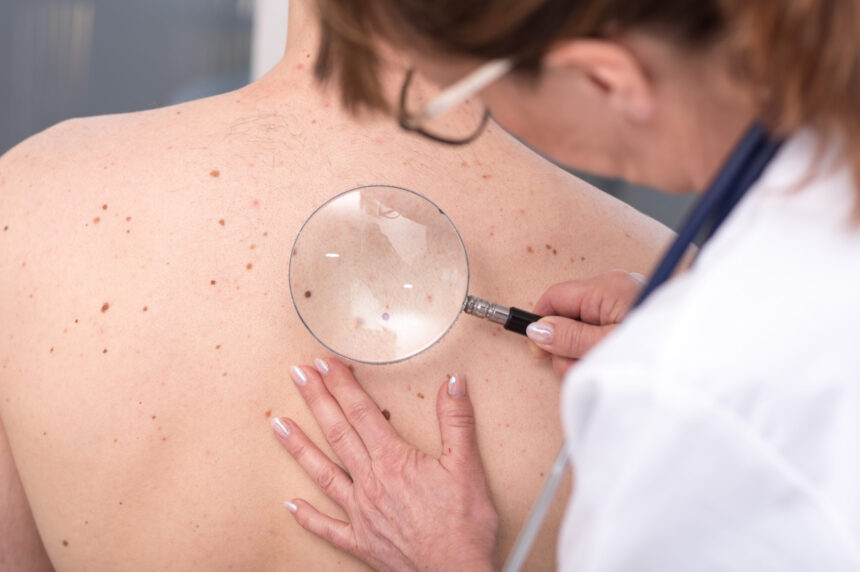
Understanding a skin cancer diagnosis involves learning about the available treatment paths. Several effective dermatology procedures are used to address skin cancer, and the choice of treatment depends on various factors specific to each case. A conversation with a healthcare professional is an effective way to determine a suitable approach for your individual circumstances. Here is information on common therapeutic options:
What Dermatology Treatments Are Available?
Dermatologists have several methods for treating skin cancer. One common procedure is curettage and electrodesiccation, where the cancerous tissue is scraped away and treated with an electric needle. Another option is surgical excision, which involves cutting out the tumor along with a margin of healthy skin to remove cancerous cells.
Mohs surgery is a specialized dermatology technique that involves removing skin layer by layer, and each layer is examined under a microscope until no cancer cells remain. Less invasive options include cryotherapy, which uses extreme cold to freeze and destroy abnormal cells. Photodynamic therapy (PDT) uses a special drug and light to kill cancer cells.
What Severity Warrants Each Treatment?
The selection of a treatment is guided by the type, size, and location of the skin cancer. Curettage and electrodesiccation, along with cryotherapy, are frequently used for small, superficial basal cell or squamous cell carcinomas. Surgical excision is a standard treatment for many types of skin cancer, including early-stage melanomas. Surgery is a reliable method. Mohs surgery is typically reserved for cancers in sensitive or cosmetically noticeable areas like the face, and it is also used for large or recurrent tumors because it preserves the maximum amount of healthy tissue. While it is effective, photodynamic therapy is usually reserved for precancerous conditions or thin, non-melanoma skin cancers.
What Are the Side Effects?
Side effects can vary depending on the treatment. Curettage and electrodesiccation may result in scarring or skin texture changes. Surgical excision often leaves a scar, with healing time influenced by tissue size. Mohs surgery usually preserves more healthy tissue but may cause swelling or temporary numbness.
Cryotherapy can lead to redness, blistering, or changes in skin color at the treated site, which usually heal in a few weeks. Photodynamic therapy may produce redness, swelling, or sensitivity at the treatment area. The type and severity of side effects depend on the individual and the specific procedure.
How Should You Prepare?
After a diagnosis of skin cancer, gather as much information as possible about your situation. Learning about the specific type and stage of your cancer will clarify which treatments might be suitable. Exploring the procedures, and learning about potential side effects help you form comparisons between options and benefits. Making a list of questions such as those about recovery time, expected follow-up visits, and steps involved in each procedure may help guide your conversations with a dermatologist. Factoring in your health priorities and everyday life will also provide context as you review the available choices.
See a Dermatologist
See a dermatologist if you notice unusual or changing moles, spots, or sores that do not heal. Changes in skin color, texture, or the appearance of new growths should also be checked promptly. Early evaluation can help identify concerns, and a dermatologist may perform a biopsy to determine if further treatment is needed. Regular skin checks and timely appointments support early detection and management of skin cancer.