


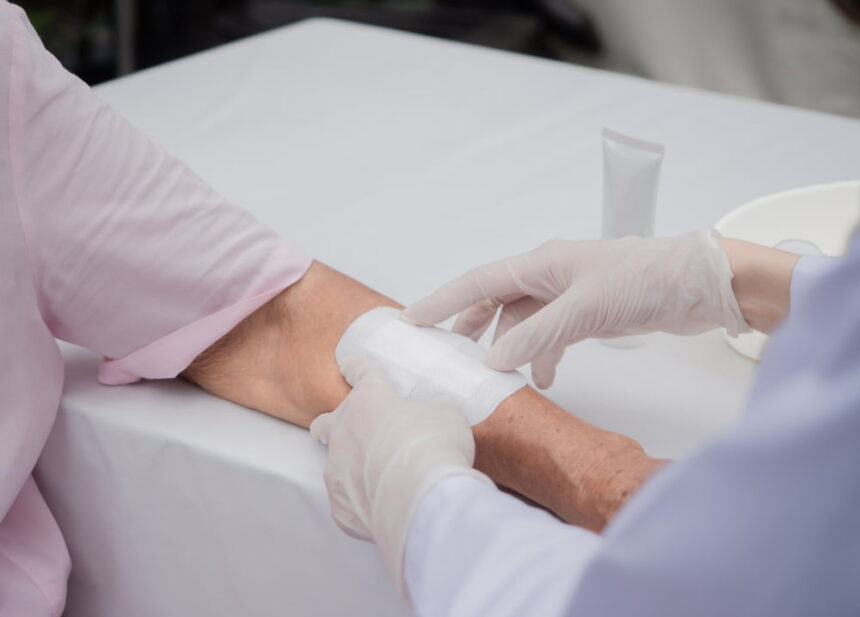
When you have a wound, the focus is often on the immediate injury. The primary goal of a general surgeon is to treat the visible site, but the body’s overall well-being also plays a part in the healing process. A holistic approach to wound care looks beyond the wound itself. It incorporates various aspects of your health, such as nutrition and stress management, to support your body’s natural recovery abilities. This method views healing as a whole-body process, not just a localized event.
What Is Holistic Wound Care?
Holistic wound care is an approach that addresses the entire person, not just the injury. It acknowledges that factors beyond the physical wound can influence how quickly and effectively you heal. This comprehensive perspective integrates the management of the wound with support for your overall health. It recognizes the connection between your mind and body.
This method complements traditional wound treatments by focusing on underlying conditions and lifestyle factors. It may involve assessing your diet, managing your stress levels, and evaluating your mobility with the help of your general surgeon. By looking at these interconnected elements, the goal is to create an optimal environment for your body to repair itself. It’s about supporting the complete system to facilitate the healing of a specific part.
How Does Nutrition Support Healing?
What you eat provides the building blocks your body needs to repair tissue and fight off infection. During the recovery process, your body requires extra energy, vitamins, and minerals to mend effectively. By focusing on a balanced diet rich in specific nutrients, you can create the best possible environment for your wound to heal. Incorporating the following foods into your daily routine is a practical way to support your body’s natural healing efforts.
- Protein: Found in meat, fish, beans, and nuts, protein is fundamental for building new tissue. It helps form collagen, which gives new skin its structure and strength.
- Vitamin C: Citrus fruits, berries, and leafy greens are excellent sources. This vitamin assists with collagen production and acts as an antioxidant, protecting new cells from damage.
- Zinc: Present in whole grains, red meat, and fortified cereals, zinc plays a part in cell growth and protein creation. It supports the immune system’s function during recovery.
- Hydration: Drinking enough water is key to maintaining good circulation. Proper blood flow delivers oxygen and nutrients to the wound site, which is necessary for healing.
A diet focused on these areas can provide a strong foundation for your body’s natural healing mechanisms. Paying attention to what you consume is a practical way to contribute to your own recovery.
How Does Stress Affect Recovery?
Stress management is a part of a holistic approach to healing, as high stress levels can trigger hormones that slow down your body’s natural repair work. By finding ways to relax, you support your immune system and help your body focus its resources on repairing the wound site efficiently. Taking small steps to reduce stress is a practical way to create a more favorable environment for your physical recovery.
- Gentle exercise, such as walking
- Mindfulness or meditation practices
- Spending time in nature
- Engaging in a favorite hobby
- Getting adequate sleep
By actively managing your stress, you help create a more favorable internal environment for healing. This allows your body to dedicate more resources to repairing the wound efficiently.
Discuss with a General Surgeon
Combining holistic strategies with professional medical care allows for a well-rounded recovery. While nutrition and stress management are helpful, they should complement a plan guided by your doctor. A general surgeon can accurately assess your wound and advise you on how to safely incorporate these supportive measures. By working closely with your surgeon, you can develop a personalized treatment strategy tailored to your specific healing needs.