

Foot pain is a medical condition that can impair mobility and functional independence. This issue often stems from a complex interplay between mechanical stress and underlying pathologies, so addressing it requires a multifaceted approach involving both home care and medical intervention. Here is more information on this condition and effective management strategies:
What Is Foot Pain?
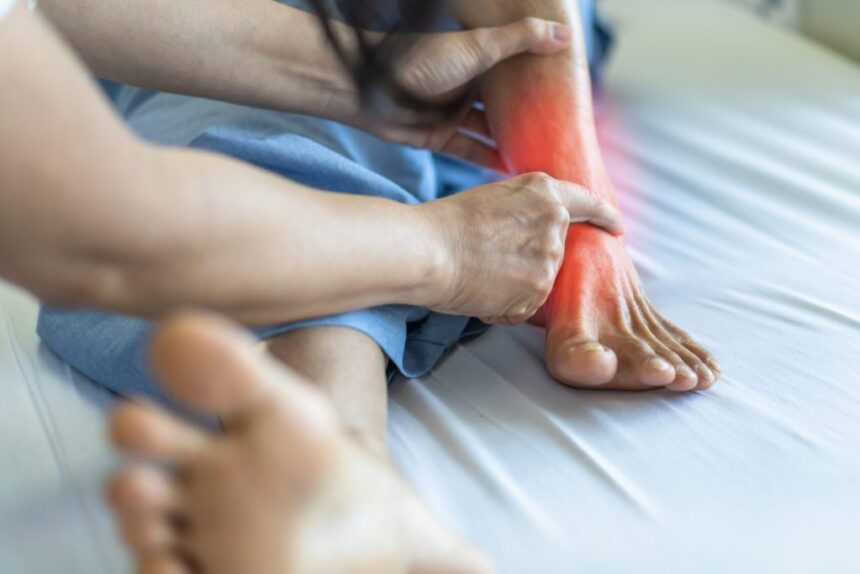
Foot pain encompasses a wide range of discomfort affecting the foot’s structural components, including bones, joints, muscles, tendons, and ligaments. It presents as sensations ranging from dull aches to sharp, debilitating agony, and the intensity varies with the severity of the underlying condition. The pain serves as a physiological signal of distress, alerting the individual to potential tissue damage, inflammation, or mechanical failure within the lower extremity.
What Causes It?
The causes of foot pain involve a combination of intrinsic and extrinsic factors that compromise foot health. Improper footwear choices, such as high heels or unsupportive soles, place undue stress on the foot structure. Genetic predispositions and structural deformities also play a role. Medical conditions like diabetes cause neuropathy, and autoimmune diseases such as rheumatoid arthritis lead to joint inflammation and degradation over time.
Overuse injuries are another primary cause, particularly among athletes and individuals with occupations that require prolonged standing. Repetitive impact on hard surfaces can lead to conditions like plantar fasciitis or stress fractures, for the body cannot repair the micro-trauma fast enough to prevent injury. Acute trauma from accidents also contributes to chronic issues, necessitating a thorough medical evaluation.
How Is Daily Life Affected?
The impact of foot pain extends beyond physical discomfort, affecting a patient’s daily routine. Individuals may withdraw from activities due to mobility restrictions, or they may struggle to maintain employment that requires physical exertion. Sleep patterns are often disrupted by throbbing or aching sensations, thereby compromising the body’s overall physiological recovery. Chronic pain also alters a person’s gait mechanics, which potentially leads to secondary issues in the knees, hips, and lower back.
What Lifestyle Adjustments Can Help?
Selecting the correct footwear helps mitigate painful symptoms. Proper shoes provide adequate arch support and shock absorption, which reduces impact when walking. Patients should replace worn-out shoes regularly to maintain proper alignment, and they benefit from avoiding walking barefoot on hard surfaces to prevent unnecessary strain on the plantar fascia.
Home care protocols provide relief and manage acute flare-ups of inflammation. Applying ice packs reduces swelling and numbs the area, and elevating the limbs facilitates venous return, decreasing fluid accumulation. Regular stretching exercises targeting the Achilles tendon and calf muscles improve flexibility and reduce tension on the foot structures.
How Is Professional Guidance Beneficial?
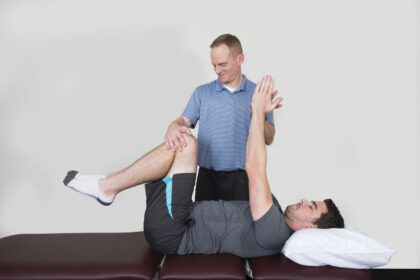
Medical professionals use various non-invasive therapies to treat persistent foot conditions. Physical therapy offers targeted exercises to strengthen the intrinsic foot muscles, and therapists may utilize manual techniques to improve joint mobility and range of motion. Laser therapy is used to accelerate tissue repair at the cellular level and requires consistency to yield the desired results.
When conservative measures fail to provide relief, specialists may recommend pharmacological interventions. Corticosteroid injections provide potent anti-inflammatory effects in resistant cases. Surgical intervention becomes necessary when structural abnormalities or severe damage persist despite other treatments. Arthroscopic surgery allows for the debridement of damaged tissue with minimal incisions, and tendon repair restores ruptured structures.
Alleviate Foot Pain Now
Managing foot pain involves a proactive approach to lifestyle modification combined with professional medical treatment. Patients may experience relief by seeking professional guidance, and they can prevent the progression of chronic conditions. Consult a specialist to develop a tailored plan for long-term health.