


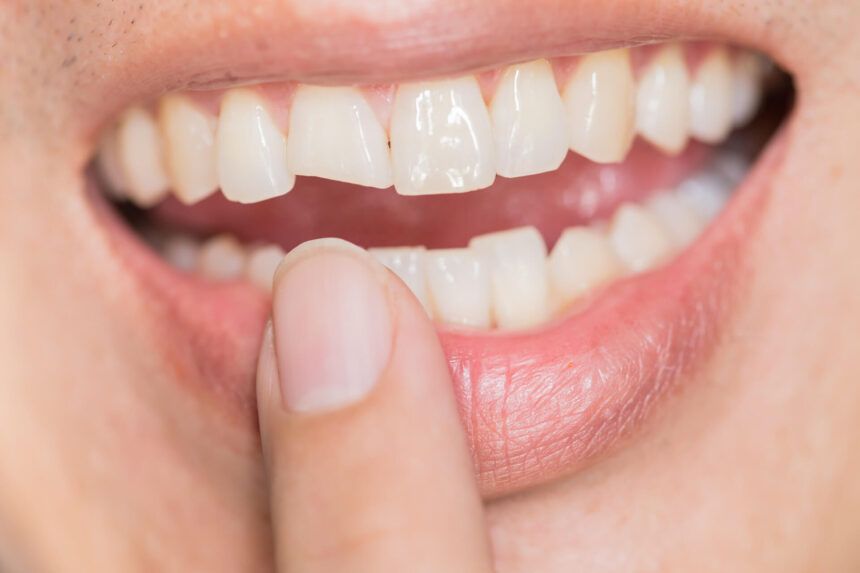
A broken tooth can compromise oral health, comfort, and appearance if not addressed promptly. Minor damage may worsen over time due to continued pressure, exposure to bacteria, or delayed treatment. Here’s more information on how to prevent further damage to a broken tooth:
Protecting a Broken Tooth
You must take specific actions right after a broken tooth to minimize pain and reduce the risk of infection. The first step involves inspecting your mouth for loose fragments or debris. Rinsing your mouth gently with warm salt water cleans the area effectively, and soothes any soft tissue that may have been cut.
You may experience discomfort or swelling around the injury site; you may take an over-the-counter pain reliever to manage the pain until you see a dentist. If the tooth was knocked out or a large piece broke off, try to locate the fragment and keep it moist in a container of milk or saliva. You should contact a dental professional immediately to arrange an emergency examination.
Worsening Tooth Damage
Your daily routine significantly impacts the stability of a cracked tooth while you wait for professional repair. Certain behaviors exert excessive pressure on the weakened enamel, causing the crack to deepen or extend to the root. Avoid the following behaviors to keep the structure of the tooth intact:
- Chewing food on the side of the mouth where the injury is located.
- Consuming extremely hot or cold beverages can trigger nerve sensitivity.
- Eating hard, crunchy, or sticky foods like nuts, ice, or caramel.
- Grinding your teeth at night or clenching your jaw due to stress.
- Using your teeth as tools to open packages or cut tape.
Modifying your routine minimizes pressure on the broken tooth and helps preserve the remaining tooth structure.
Preventing Further Damage
Dentists use various methods to repair a broken tooth, depending on the fracture’s severity and location. A detailed examination, often including X-rays, helps the dentist determine the most appropriate restorative option. Dental bonding is a common treatment for minor cosmetic chips or small cracks, where a dentist applies a tooth-colored composite resin to the affected area and hardens it with a special light.
If the damage involves a significant portion of the tooth cusp, a dental crown or cap may be necessary. A crown covers the entire visible part of the tooth, which provides a strong protective layer against chewing forces. Dental veneers are also helpful for repairing broken front teeth where appearance is a primary concern.
Caring for Teeth
Once your dentist repairs the damaged tooth, maintaining good oral hygiene is fundamental for the longevity of the restoration. The restored tooth requires the same level of care as your natural teeth to remain strong and functional. Neglecting oral care can lead to caries around the margins of a crown or filling, compromising the repair. Make sure you incorporate the following practices into your daily routine:
- Brush your teeth twice a day with a soft-bristled toothbrush.
- Floss daily to remove plaque from between the teeth and the gum line.
- Visit your dentist for regular check-ups and professional cleanings.
- Wear a mouthguard during sports or if you grind your teeth at night.
These habits reduce the risk of future decay or trauma and maintain your restoration.
Schedule Your Broken Tooth Appointment
A broken tooth is a serious dental condition that requires professional assessment to prevent permanent loss. Prompt treatment stops bacteria from entering the pulp and compromising the health of the surrounding bone. You should contact a dental professional as soon as you notice a break, or the damage may become irreversible. Contact a qualified dentist near you to schedule your same-day appointment for a damaged tooth today.