


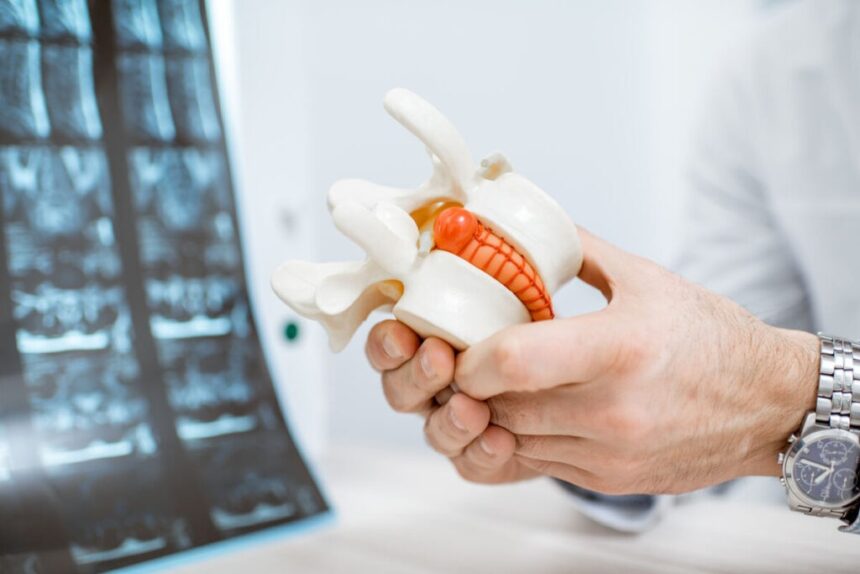
A herniated disc affects your daily life, and understanding it is the first step toward recovery. This condition happens when the soft center of a spinal disc pushes through a crack in the outer casing. Since you might feel uncertain about what to do next, learn that solutions are available. Recognize warning signs and know how medical professionals address them.
Identifying Common Symptoms
Your body provides clear signals when something is wrong with your spine. A herniated disc often presses on nearby nerves, which causes distinct pain patterns. You might notice pain in your buttocks or legs, but it may also appear elsewhere. For many, this pain worsens after standing or sitting for long periods. Others feel it after lifting heavy objects. This pain may be sharp or burning, and it sometimes worsens when you sneeze or cough. Daily tasks like walking or bending become uncomfortable, and pain interrupts your usual activities. Because the nerves are compressed, you may feel strange sensations in your limbs. Tingling in your legs and feet is common, but numbness can occur unexpectedly. These sensations often extend down one side of the body.
Understanding Herniated Disc Discomfort
The location of your herniated disc dictates where you feel the strongest symptoms. If the issue is in your lower back, you likely feel pain in your buttocks. This discomfort may radiate down your thigh or into your calf. This can make it hard to sit or find a comfortable position. Back pain is a primary indicator, and it ranges from a dull ache to severe discomfort. Lying flat brings relief, while activities like driving or lifting increase your pain. When a herniation occurs in the neck, the pain can manifest differently in your upper body. Soreness may follow sleeping in an awkward position or desk work. Throbbing pain may also occur. Neck pain is often the first sign, but the discomfort usually changes as you move.
The location of your herniated disc dictates where you feel the most intense symptoms. If the issue is in your lower back, you will likely feel pain in your buttocks. Back pain is a primary indicator, and it can range from a dull ache to severe discomfort. When the herniation occurs in the neck, the pain manifests differently in your upper body. Neck pain is often the first sign, but the discomfort rarely stays in one spot. Pain often radiates into your shoulders, arms, or hands, making simple tasks difficult. Recognizing where the pain starts helps doctors diagnose the specific disc involved.
Exploring Non-Surgical Treatment Paths
Most people find relief without surgery. Conservative treatments are usually the first option. Rest is recommended for healing, but staying in bed too long weakens your muscles. Physical therapy strengthens the back, and it teaches you how to move safely during recovery. Your doctor may suggest specific exercises or recommend over-the-counter pain medication. Pain relievers reduce inflammation quickly, but muscle relaxers are prescribed for spasms. Cortisone injections are another option; they deliver medication directly to the affected area. Because every case is different, your doctor will tailor a plan that fits your needs.
Get Treatment Today
You do not have to live with chronic pain, and seeking professional help is wise. A specialist confirms your diagnosis and guides you toward the best treatment options. Early intervention can prevent further damage. Schedule an appointment today. Because treatment restores your mobility, you can return to the activities you enjoy.