


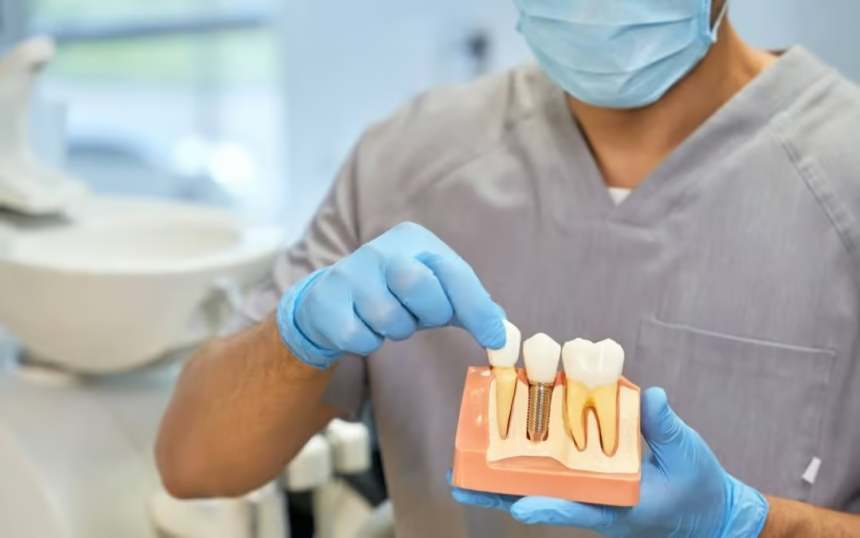
Dental implants replace missing teeth with a structure that functions like a natural root. A dentist may recommend an implant after tooth loss from decay, injury, or extraction. Implants fuse with the jawbone during healing and support a custom restoration, making them suitable for replacing one tooth or multiple teeth. Dental implants can produce a natural-looking result while also restoring structure in the mouth. Here is more information about dental implants, what they are, and what they can do:
Dental Implants Explained
A dental implant is a titanium post placed in the jawbone that replaces a missing tooth root with a stable, long-term foundation. While a dentist often uses an implant to replace a single tooth, implants also support bridges or larger prosthetics when several teeth are missing. Since the post integrates with the surrounding bone during healing, it establishes a secure anchor for later restorative steps. This integration also contributes to stability and helps maintain the structure of the jaw.
Implants address a range of restorative needs because they act as the base for crowns, bridges, or full-arch systems. Their structure differs from removable options, which rest on soft tissues rather than the bone. By functioning as an anchored support, an implant helps maintain positioning and reduces movement under chewing forces.
Dental Implants Procedure
The treatment process begins with imaging, medical review, and an assessment of the jawbone. The results of these evaluations help determine whether the site has enough density to support an implant. When the bone is too thin or soft, a bone graft may strengthen the area. This step increases stability during future stages of the procedure.
Once the site is ready, the dentist can place the implant post into the jawbone. A healing period follows, and during this time, the bone fuses with the surface of the implant. This period varies depending on individual factors and the extent of prior grafting. After the implant post fuses, the dentist attaches an abutment to support the final restoration.
The last stage involves creating and securing a custom crown, bridge, or full-arch prosthetic based on the number of teeth being replaced. Each restoration matches nearby teeth in shape and size. Because the restoration is anchored to the implant, it remains steady during daily activities, completing the treatment plan and restoring functional chewing surfaces.
Natural-looking Tooth Replacement
Implants support natural-looking results because the dentist crafts the restoration to match the surrounding teeth and sit securely within the bite. The position of the implant post also helps the crown emerge from the gums in a way that mimics a natural tooth. These factors contribute to an appearance that blends with the existing dentition.
Learn More About Dental Implants
Successful implant treatment depends on a process of evaluation, placement, healing, and restoration, all culminating in a natural-looking result. Whether replacing one tooth or many, implants offer a durable solution anchored within the bone. To learn more about dental implants and which options may fit your needs, consult a dental provider near you.