


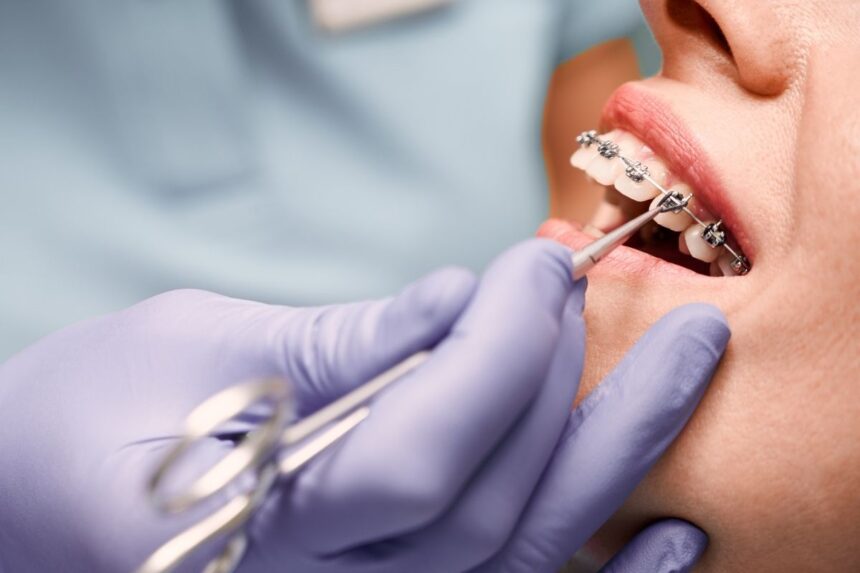
Orthodontics is a specialized field of dentistry. It focuses on diagnosing, preventing, and treating dental and facial irregularities, but it extends beyond just achieving a straighter smile. Proper alignment of teeth and jaws helps maintain overall oral health. Misalignments lead to more serious dental issues over time if left unaddressed. These problems can create structural challenges, orthodontic care is considered an early preventive measure, and it may help support long-term dental wellness and function.
Improving Oral Hygiene
Orthodontics improves many aspects of oral health in various ways. One of the primary ways orthodontics supports oral health is by making teeth easier to clean. When teeth are crowded or crooked, they form tight spaces and awkward angles. Plaque buildup in these spots increases the risk of tooth decay and gum disease, straightening teeth helps eliminate these issues, and it allows for more effective brushing and flossing. Crooked teeth may also become painful, and orthodontics can provide relief. Correcting misaligned teeth helps many individuals.
The other advantages of orthodontic treatments are:
- Straighter teeth
- Improved bite
- Easier chewing
- Reduced jaw discomfort
- Clearer speech
Improving Bite and Jaw Function
An improper bite, known as malocclusion, may cause a range of oral health challenges. Common types of bite issues include overbites, underbites, crossbites, and open bites. These misalignments may place more pressure on certain teeth than others; enamel wears unevenly, and chewing becomes less efficient over time. Teeth that are consistently exposed to this kind of stress might develop chips, cracks, or surface wear that might worsen. Malocclusion can contribute to jaw muscle tension- resulting in jaw pain, frequent headaches, or difficulty while eating. Orthodontic treatment is designed to correct the bite, and it works by ensuring pressure is evenly distributed while teeth and jaws function together, which supports proper chewing and jaw movement.
Improving Teeth
Orthodontic solutions are designed to address a range of issues. Braces use metal wires and brackets to gradually move crooked teeth into position, while rubber bands may be used with braces to help draw the bottom jaw forward. Fixed space maintainers keep spaces open when baby teeth are lost early. This allows permanent teeth to erupt correctly and prevents crowding. For those with a narrow upper jaw, palatal expanders apply gentle pressure to widen the palate. After alignment is achieved, retainers are used to keep teeth from shifting out of their new position, to maintain the work already done. Orthodontics reduces the likelihood of injury, pain, or difficulty due to misaligned teeth.
Getting Orthodontics
The preventive role of orthodontics helps your long-term oral health, and this knowledge will inform decisions about your care. Children might see an orthodontist by the age of seven. Signs of problems in children include a protruding jaw, crowded teeth, difficulty biting, and sucking on fingers. Correcting alignment issues may make daily care more effective, improve jaw function, and help protect your teeth from unnecessary wear or injuries in the future. If you have questions about your bite or teeth alignment, you can consult with a dental professional, and they can assess your situation while discussing whether orthodontic evaluation is a suitable next step.