


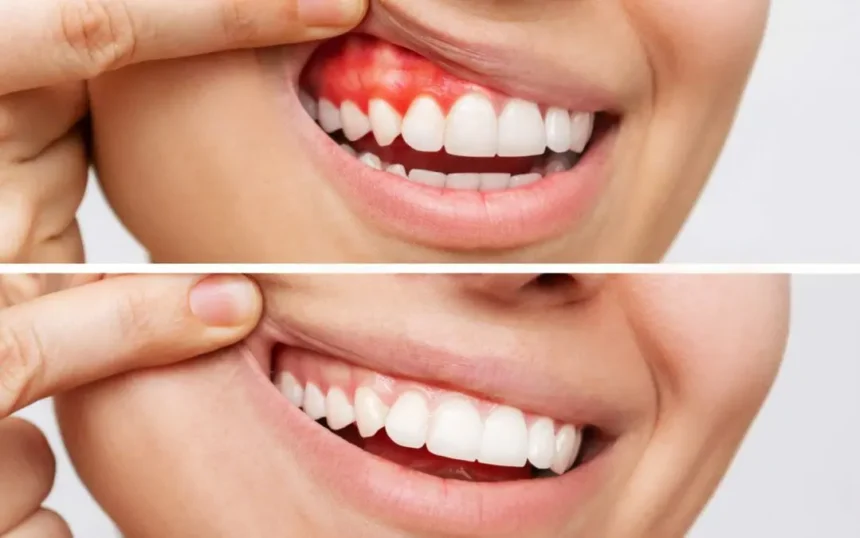
Periodontal treatments play a significant role in preserving gum health and preventing the progression of gum disease. Because periodontal conditions can develop gradually and may initially present with mild symptoms, routine professional care is necessary for early detection and intervention. Regular periodontal treatments help remove plaque and tartar buildup, reduce inflammation, and protect the supporting structures of the teeth.
i. Prioritize Early Disease Intervention
Catching gum disease early makes a big difference in treatment. Gingivitis is the mildest form of gum disease. It causes red, swollen gums that bleed easily. At this stage, gingivitis is reversible with proper care and professional treatment. If left untreated, it progresses to periodontitis. Regular dental visits allow your dentist to spot early warning signs through periodontal treatments. They can find problems before you even notice symptoms.
Professional cleanings remove plaque and tartar that regular brushing cannot. This buildup contains bacteria that irritate your gums and cause inflammation. Removing it regularly reduces the bacteria in your mouth. This gives your gums a chance to heal. By addressing gum disease early, you can prevent it from worsening. This helps you protect your overall oral health effectively.
ii. Perform Deep Cleaning Treatments
When gum disease progresses beyond gingivitis, standard cleanings are no longer sufficient. Scaling and root planing is a deep-cleaning method that removes bacteria below the gum line. Scaling removes plaque and tartar from tooth surfaces and beneath the gums using specialized tools to clean hard-to-reach areas. Root planing smooths the tooth roots, making it harder for bacteria to accumulate and allowing gums to reattach more easily.
Laser gum treatment is another effective option for managing bacteria. This method uses focused light to eliminate bacteria and remove diseased tissue. The laser also promotes healing and helps gums regenerate healthy tissue. Many patients prefer laser treatment because it often results in less discomfort and faster recovery compared to traditional surgery.
iii. Protect Long-Term Oral Structure
Your gums play a key role in supporting your teeth, and their deterioration can affect your overall oral health. Periodontitis causes gums to pull away from teeth, forming pockets where bacteria thrive. Over time, these pockets deepen, and the infection spreads to the bone that holds your teeth in place. Untreated gum disease leads to irreversible bone loss, but regular periodontal care prevents this progression, protecting the structures that support your teeth and keep them healthy.
Treatment can also repair existing damage. Root planing helps gums reattach to teeth, reducing pocket depths and limiting hiding places for bacteria. This process strengthens the bond between gums and teeth, providing better oral support. Consistent care prevents advanced disease and reduces the need for more invasive, costly procedures later.
iv. Maintain Overall Health Consistently
Gum disease affects more than just your mouth. Research links it to heart disease, diabetes, and respiratory problems. Bacteria from infected gums can enter your bloodstream, causing inflammation throughout your body. Regular periodontal care reduces the levels of this harmful bacteria. It lowers your risk of these related health issues. This makes gum health a priority for your overall well-being.
After treatment, ongoing maintenance is key. Your dentist will suggest a follow-up visit schedule. Some patients need cleanings every three to four months. Others may only need them twice a year. Between appointments, your home care is key to supporting professional treatments.
Schedule a Periodontal Treatments Consultation
Your gums deserve the same care and attention you give your teeth. Regular periodontal treatments protect against gum disease, preserve your oral structure, and support your overall health. These treatments catch problems early, eliminate harmful bacteria, and help your gums stay strong and healthy. If you experience tooth pain or tooth loss and want to address your gum health, schedule a periodontal evaluation with a dentist near you to learn about your current gum condition and develop a treatment plan that works for you.