

If you have varicose veins or spider veins, you may be seeking out cosmetic vein treatment options, including sclerotherapy and laser treatments. With a vein treatment, the process involves a thorough assessment of your vascular health and a discussion about your expectations for the results of treatment. After treatment, results are permanent, though new veins can form. Here is more information about vein treatment for varicose veins and spider veins, and what steps are included in the process:
What Happens During the Consultation?
Patients typically begin the process by meeting with a specialist for a physical examination of the legs and vascular system. During this visit, you may discuss a cosmetic vein treatment plan, and the provider reviews symptoms like swelling or aching. Because vein issues often stem from underlying valves, specialists use ultrasound technology to map your blood flow. These initial steps help the medical team develop a customized approach based on the diagnostic findings.
A medical history review may also be a part of this initial meeting. Your specialist may ask about your current medications and any history of blood clots, and you can mention if you have allergies to any substances. While the physical exam focuses on the visible surface signs, the ultrasound identifies deeper issues that might not be visible.
What Happens During the Procedures?
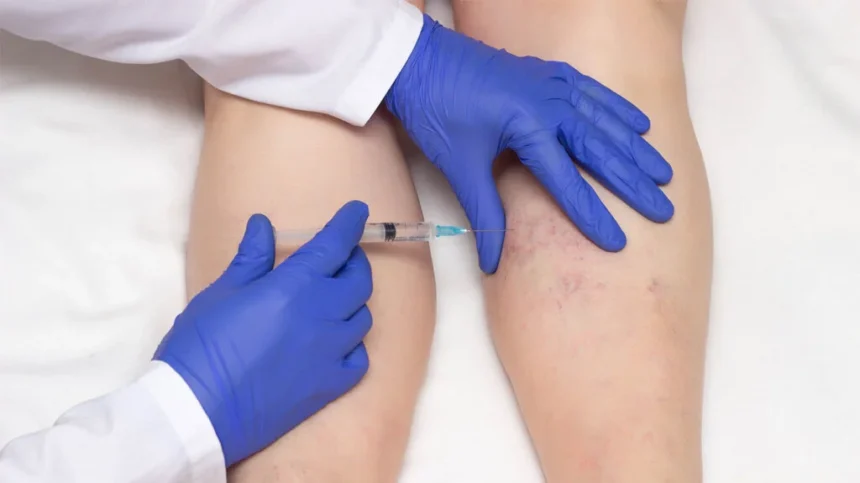
Sclerotherapy is a common method for treating smaller veins, and it involves injecting a solution that causes the vessel to collapse. This procedure typically treats 50% to 80% of injected veins during each session. While sclerotherapy works for smaller issues, it is not as suitable for medium to large veins; endovenous laser therapy (EVLT) uses heat to close larger varicose veins from the inside.
To prepare the area for treatment, the technician cleans the area to prevent infection. Specialists may apply local anesthetics for patient comfort throughout the treatment. You might feel a small pinch during the injection, but the discomfort usually subsides within a few minutes. If you receive laser treatment, the doctor inserts a small fiber into the vein; the heat causes the vein walls to seal shut.
What Happens During Recovery?
Immediate aftercare usually requires the use of compression stockings to maintain pressure and promote healing. Engage in light walking to prevent blood clots, but avoid strenuous exercise for a short period. Although spider veins may fade within three to six weeks, larger veins might take three to four months to disappear completely. Your provider may monitor your progress during follow-up visits to track the treatment’s success.
Seek Out Cosmetic Vein Treatment
Sclerotherapy and laser treatments are two ways providers can treat varicose veins and spider veins. Though these treatments can be administered to relieve pain and discomfort, they can also be scheduled for purely cosmetic reasons as well. These treatments are non-surgical, and some patients complete their sessions in under an hour. Some individuals may need multiple sessions to achieve their desired aesthetic goals. To learn more about cosmetic vein treatment, consult a vascular specialist near you.