

Mohs surgery is a specialized procedure used to address skin cancer. It focuses on removing the affected tissue layer by layer; this allows for closer examination. The process also helps preserve as much healthy skin as possible. Here are several things to expect during Mohs surgery so you can prepare for each stage:
Arriving for Mohs Surgery
Expect a process similar to other outpatient procedures when you arrive at the clinic. Staff will check you in, and they may request any remaining paperwork. Once you are settled, the surgical team helps you get comfortable in a treatment chair, preparing you for the day’s process. A nurse or doctor will clean and numb the area surrounding the skin cancer with a local anesthetic. This key step makes tissue removal manageable. Some individuals contemplate bringing a family member or friend for support, especially if travel or logistics require assistance.
Completing the Precise Tissue Removal
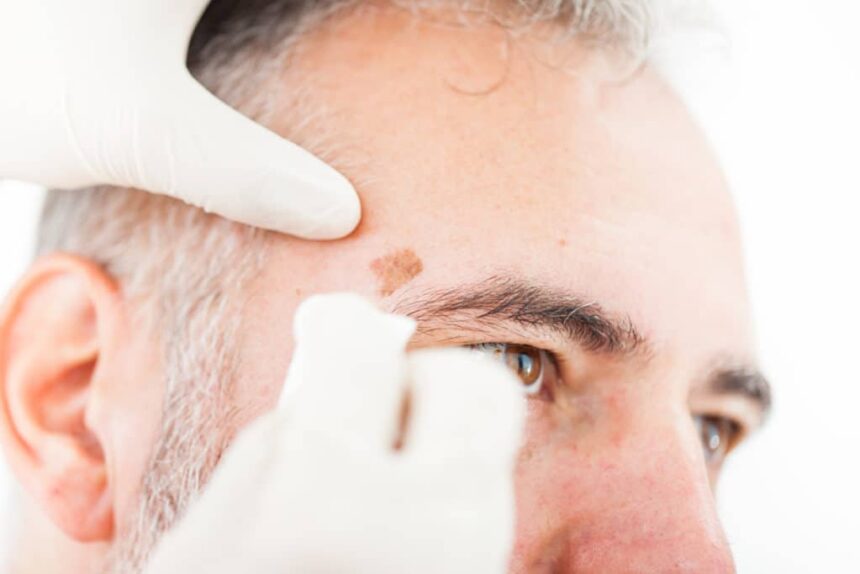
After confirming the area is fully numb, the surgeon removes the visible skin cancer with a narrow margin of surrounding tissue. The objective is to remove only what is necessary while preserving healthy skin. Once the initial layer is excised, staff temporarily bandage the area, and the procedure pauses while the tissue is processed in the laboratory. At this stage, the Mohs technique becomes distinct, as careful analysis guides the next steps of treatment.
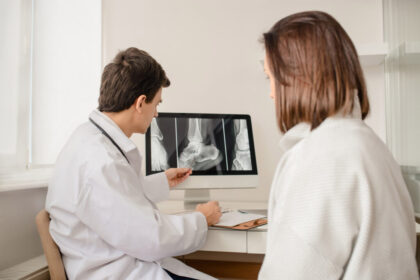
You may return to a waiting area or stay in the treatment room as the surgeon analyzes the removed tissue in a lab. The tissue undergoes detailed preparation; this involves mapping, freezing, cutting, and staining to identify if any abnormal cells remain along the outer edges. Mapping is a key part of Mohs surgery because it shows the exact location of the tissue sample on your skin. This allows for targeted further removal if necessary. Lab analysis may require approximately one hour, but this varies for each case.
Proceeding Through Additional Stages
If the laboratory analysis reveals that some abnormal cells remain, the surgeon will return to remove another layer from the area shown to still have involvement. This cycle of removal, bandaging, and waiting continues until the tissue is clear. A precise process is fundamental in Mohs surgery, focusing on removing only necessary tissue. Each stage helps preserve healthy skin, and it also provides a higher level of accuracy in targeting the affected area compared to broader surgical methods. The overall surgery can take approximately four to six hours to complete.
Repairing and Reconstructing the Wound
When the tissue is clear and the abnormal cells have been removed, the surgical team addresses the wound. The repair approach depends on the size and location; smaller wounds might heal naturally, while others require stitches. For more complicated sites, especially on visible or delicate areas like the nose or ear, techniques such as skin grafts or local flaps are helpful options. The team discusses the strategy tailored to your situation at this point.
Before you leave, the nursing staff provides thorough instructions on wound care at home. They may share helpful tips for:
- Cleaning the area
- Changing bandages
- Monitoring the area as it heals
- Identifying signs of complications
- Scheduling a follow-up appointment
Learn More About Mohs Surgery
Mohs surgery follows a structured process that promotes precision and careful attention at every stage, from numbing to tissue removal, analysis, and repair. Understanding what to expect reduces surprises, and it can help you make informed decisions throughout the process. If you or someone you know is preparing for Mohs surgery, ask questions and follow the team’s aftercare instructions. Being well-prepared can support a smooth experience and promote a faster recovery. Contact a dermatologist today to learn more about this skin cancer procedure.