


Key Takeaways
- Not every pre-sale improvement will return more than it costs.
- Safety, water intrusion, and major system problems deserve more attention than purely dated finishes.
- Traditional listings, private sales, and as-is sales each involve different costs, timelines, and responsibilities.
- An as-is sale does not remove the need to disclose known material defects when disclosure laws apply.
- Comparing complete offer terms can be more useful than focusing only on the purchase price.
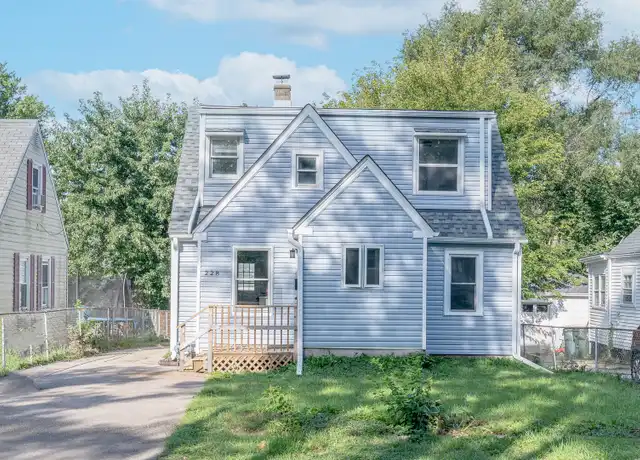
Older homes can have a great deal of character, but selling one in Round Lake, Illinois, often requires a more deliberate plan than selling a recently updated property. Whether the house is inherited, vacant, dated, or simply ready for work, homeowners should weigh the cost of repairs against their desired timeline. For owners who want to avoid a lengthy preparation process, speaking with a cash home buyer in Round Lake, IL is one option to compare alongside a conventional listing. The right path depends on the home’s condition, the seller’s finances, and the level of uncertainty the seller is willing to manage. A property with a sound structure and mostly cosmetic updates may benefit from cleaning, pricing, and marketing. A house with active leaks, safety concerns, or unfinished work may call for a different approach.
Why Older Homes Need a Different Plan
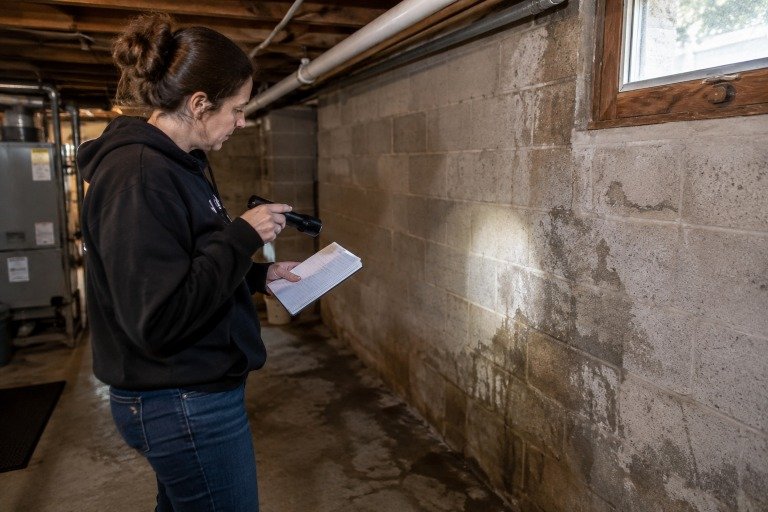
In an older Round Lake home, buyers may look closely at the roof, heating equipment, electrical panel, plumbing, windows, basement, and drainage around the property. A dated kitchen can be a matter of taste. Water stains, an active plumbing leak, loose stairs, or a furnace that does not operate are more likely to affect a buyer’s confidence and the negotiation process. Before committing to a renovation, separate conditions into two groups: items that affect safety, function, or water management, and items that are mainly cosmetic. Gather invoices, warranties, contractor reports, inspection reports, and records for completed improvements. Clear documentation helps a buyer understand what has been maintained, even if the house is not fully updated. Homeowners comparing broader selling options may also review Illinois Real Estate Buyers in Chicago, IL, when deciding whether speed and limited preparation matter more than pursuing a conventional retail sale. The useful comparison is not simply cash versus listing price. It is the likely net outcome after considering repairs, carrying costs, commissions, concessions, and time.
Which Repairs Are Worth Considering?
A practical repair decision starts with a simple question: will this work make the home easier to sell, reduce a meaningful risk, or likely improve the seller’s net proceeds? Sellers do not need to remodel every room to answer that question.
Repairs That May Deserve Attention
- Active roof, plumbing, or basement leaks.
- Unsafe railings, damaged steps, exposed wiring, or other apparent hazards.
- Heating, cooling, electrical, or plumbing systems that are not working as intended.
- Visible water damage, mold concerns, or pest issues that should be evaluated.
- Items that may interfere with a buyer’s financing, appraisal, or insurance process.
Updates That May Not Be Necessary
- A full luxury kitchen remodel shortly before selling.
- High-end bathroom finishes selected for the seller’s personal taste.
- Replacing functional flooring, cabinets, or fixtures solely because they look dated.
- Large landscaping projects that do not solve a drainage or safety issue.
Estimate the repair cost, the cost of holding the home while work is completed, and the realistic price difference the repair may create. If the expected benefit is uncertain or smaller than the total cost, pricing the condition into the sale may be the more sensible choice.
Round Lake Factors That Can Affect a Sale
Local conditions should shape the plan. Northern Illinois weather can complicate exterior painting, roofing, concrete work, grading, and moving schedules during colder or wetter periods. A seller should avoid promising a repair date that depends on weather, contractor availability, or a permit review that has not yet been completed. Round Lake homeowners should also examine the lot as carefully as the house. Ask whether water collects near the foundation, whether the sump pump has been reliable, whether gutters direct water appropriately, and whether past drainage work was completed. Properties near water, wetlands, or low-lying areas may warrant especially careful review of known moisture history and insurance records.
Common Ways to Sell an Older Home
- Traditional listing: This can provide broad exposure to buyers, but it may require cleaning, showings, negotiation, inspection responses, and a buyer who can obtain financing.
- For-sale-by-owner: Sellers retain more direct control, while also handling pricing, marketing, scheduling, contract coordination, and negotiations.
- Private sale: Selling to someone already known to the owner may simplify marketing, but contracts, title work, inspections, and disclosures still deserve professional attention.
- As-is sale: This route can reduce pre-sale work, but buyers may account for repair costs, risk, and uncertainty in their offer.
Understanding an As-Is Sale
An as-is agreement generally means the buyer is accepting the property in its current condition under the terms of the contract. It does not mean known problems can be concealed. Illinois law requires a residential seller to provide the required written disclosure report before a buyer signs a contract, subject to the law’s stated exemptions. The Illinois disclosure requirements for residential property also address a seller’s duty to supplement information before closing when the seller learns of an error, inaccuracy, or omission. For example, an owner with an older furnace might repair it, offer a credit, lower the price, or accept an as-is offer. Each choice affects the potential proceeds, the time to closing, and the chance of further negotiation. Reviewing the contract’s inspection, appraisal, financing, and closing provisions is essential.
Disclosures, Permits, and Paperwork
Complete disclosure forms from actual knowledge, not guesswork. Known leaks, flooding, structural concerns, boundary disputes, insurance claims, major repairs, and system problems should be handled carefully. A real estate attorney can provide advice about the seller’s specific obligations and contract language. Also collect records for additions, decks, finished basements, roof work, electrical changes, plumbing changes, sheds, and similar projects. The Village identifies many projects that require permits, including work involving structural systems, basement remodels, roofing, decks, electrical work, plumbing, furnaces, and water heaters. Sellers can review the Village’s building permit requirements for home improvements before assuming an older project did not need approval.
Comparing Offers and Taking Next Steps
The highest offer is not automatically the strongest offer. Review each written offer for the purchase price, estimated seller-paid costs, earnest money, financing status, inspection terms, appraisal requirements, requested credits, closing date, possession date, and proof of funds or loan preapproval.
A simple final checklist can keep the sale organized:
- Decide whether speed, price, certainty, or minimal preparation is the priority.
- Identify major defects, unfinished work, and useful maintenance records.
- Estimate repair, selling, moving, and carrying costs.
- Choose a selling path that fits the home and timeline.
- Prepare accurate disclosures and review all offer terms before accepting.
Selling an older home in Round Lake does not require a one-size-fits-all answer. A careful look at condition, local logistics, documentation, and offer terms can help a homeowner choose a path that protects both time and financial goals.
Conclusion
Selling an older home in Round Lake, Illinois, requires balancing the property’s condition with the seller’s timeline, budget, and expectations. Not every outdated feature needs to be replaced before a sale. Still, safety concerns, active leaks, major system problems, and other issues that could affect the home’s function deserve careful attention. Sellers should compare the likely costs of repairs, carrying expenses, commissions, concessions, and other selling costs before deciding whether to renovate, list traditionally, or sell the property as-is. Accurate disclosures and organized records are also important, particularly for older homes with past repairs or improvements. By comparing complete offers and considering both the financial and practical tradeoffs, homeowners can choose a selling approach that fits their circumstances without taking on unnecessary work.